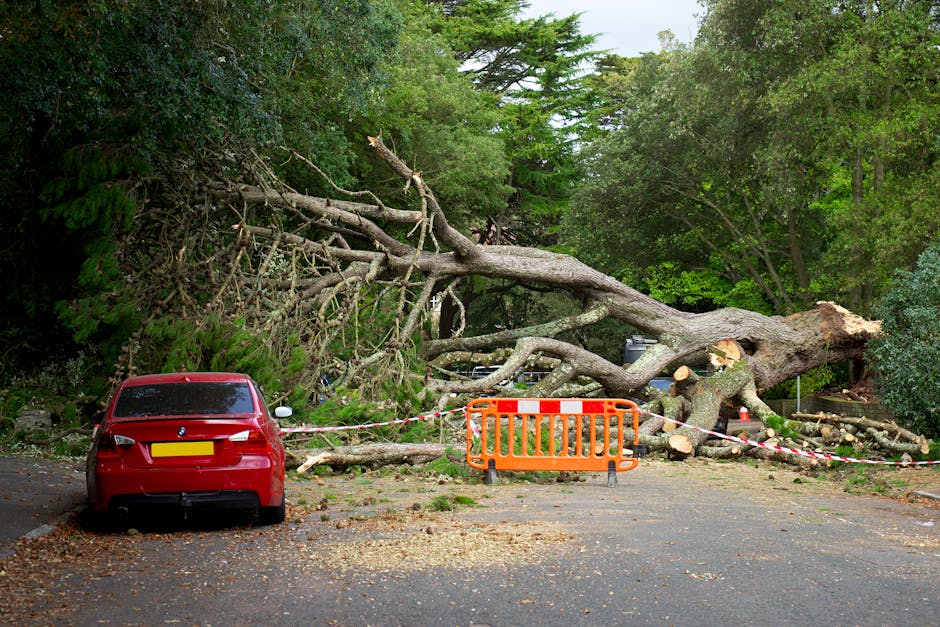
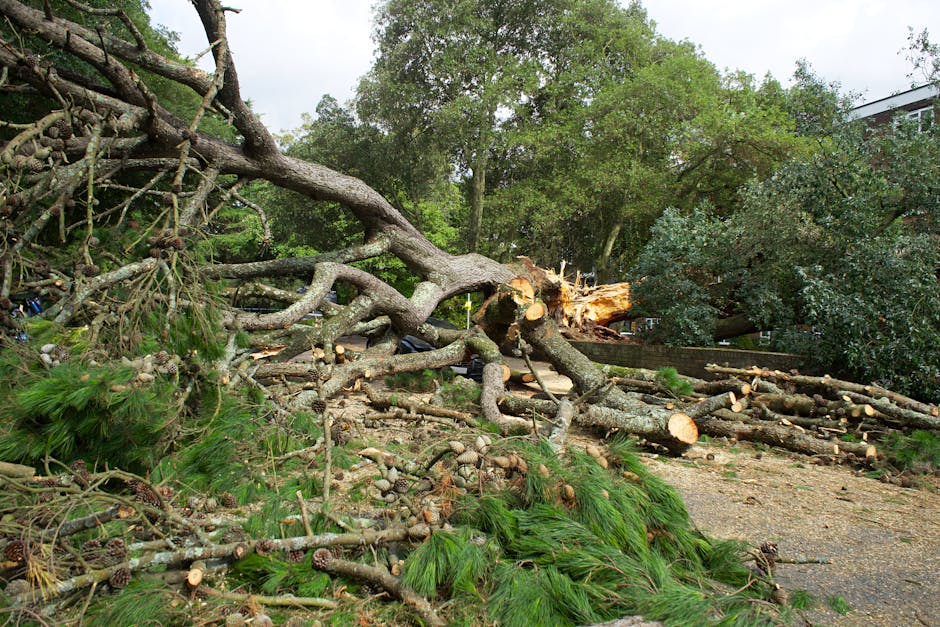
Emergency tree access problems Highgate gardeners solutions
If a tree has fallen across a driveway, blocked a side passage, or made it impossible to reach the back garden, you need calm, practical help fast. That is exactly where Emergency tree access problems Highgate gardeners solutions come in. In a place like Highgate, where homes often have tight entrances, narrow paths, mature trees, and shared boundaries, access issues can go from inconvenient to urgent very quickly. The good news? Most problems can be handled methodically, safely, and without turning the whole garden into a mess.
This guide explains what emergency tree access really means, how a good local gardening team approaches it, what to watch for, and how to make sensible decisions under pressure. Whether the issue is storm damage, a hanging branch, or a tree that is simply in the way, you will find the next sensible step here.
Table of Contents
- Why Emergency tree access problems Highgate gardeners solutions Matters
- How Emergency tree access problems Highgate gardeners solutions Works
- Key Benefits and Practical Advantages
- Who This Is For and When It Makes Sense
- Step-by-Step Guidance
- Expert Tips for Better Results
- Common Mistakes to Avoid
- Tools, Resources and Recommendations
- Law, Compliance, Standards, or Best Practice
- Options, Methods, or Comparison Table
- Case Study or Real-World Example
- Practical Checklist
- Conclusion
- Frequently Asked Questions
Why Emergency tree access problems Highgate gardeners solutions Matters
Access problems are not just a nuisance. When a tree blocks a route, the whole property can become awkward to use. You may not be able to get bins out, reach a shed, inspect damage, move equipment, or let tradespeople through. In an emergency, that delay matters. A damaged tree leaning over a path is not the sort of thing you want to "sort out later".
Highgate gardens often have a bit of everything: mature trees, old brick walls, steep changes in level, side returns, and planting that has simply grown into itself over the years. That can make access more difficult even on an ordinary day. After heavy rain or windy weather, those small difficulties can become real safety concerns. Branches can snag, roots can disturb paving, and loose debris can make narrow routes slippery underfoot.
There is also a practical side that people sometimes forget. If access to the tree is poor, a rushed attempt to cut, drag, or lift material can cause more damage than the original problem. We have seen the classic "I'll just move this myself" approach turn a manageable issue into a cracked fence panel, torn lawn edge, or a very grumpy neighbour. Truth be told, gardens have a way of punishing impatience.
For that reason, emergency garden support is about more than trimming branches. It is about restoring safe movement through the space, protecting the tree where possible, and keeping the rest of the garden usable. If the wider area also needs clearing after a storm or overgrowth build-up, it can help to look at garden clearance as part of the response, not as an afterthought.
How Emergency tree access problems Highgate gardeners solutions Works
The process usually starts with a simple question: what is blocking access, and how urgent is it? That sounds obvious, but in practice it is the difference between a neat, targeted fix and a messy, risky job. A skilled gardener or tree team will first look at the access route itself, then at the tree's condition, then at what can be removed or stabilised without unnecessary harm.
In an emergency, the first aim is usually to make the area safe enough to move around. That might mean removing broken branches, reducing the weight of a leaning limb, clearing debris from a path, or creating a temporary route to the rear of the garden. If the tree is unstable, the work may need to be done in stages rather than all at once. No drama, just a sensible sequence.
Where the access route is tight, the team may need to use hand tools rather than larger machinery. That can be slower, but it often protects paving, fences, planting beds, and neighbouring property. A good approach also considers where arisings will go. If branches, trunks, or hedge waste are being removed from a narrow side passage, the route needs to stay clear all the way through the job, not just at the start.
In many cases, emergency access work overlaps with tree reduction, selective pruning, or controlled removal. If the tree itself is the main obstruction, a service such as tree lopping and removal may be the most direct route. If the wider garden has become tangled or difficult to pass through, a broader maintenance plan using garden maintenance can prevent the same problem returning.
There is one more thing worth saying. Not every "tree access" issue is really about the tree alone. Sometimes the problem is rooted in old overgrowth, poor layout, or a neglected boundary line. That is where a wider design or tidy-up conversation can help, especially if the garden needs a longer-term fix through landscape gardening or landscaping.
Key Benefits and Practical Advantages
There are several clear advantages to dealing with emergency tree access issues properly rather than improvising on the day.
- Safer movement through the garden. Clear routes reduce the risk of trips, slips, and cuts from jagged branches.
- Less damage to the property. Careful extraction avoids scraping walls, crushing plants, or breaking paving.
- Faster return to normal use. You can get to sheds, bins, washing lines, and back gates again.
- Better protection for the tree. Targeted cuts and sensible reductions can preserve a tree that still has good structure.
- Cleaner finish. A planned job leaves the site more usable, rather than scattered with brash and sawdust.
- Less stress in a tense moment. This matters more than people admit. When a tree has just blocked access, a clear plan is a relief.
There is also a commercial benefit if you are a landlord, property manager, or homeowner preparing for tradespeople. A blocked route can delay follow-on work such as repairs, roof checks, fence replacement, or paving work. Restoring access early can keep the whole schedule moving. One small blockage can otherwise hold up three separate jobs. Annoying, but very real.
If the affected area also includes climbing plants, hedges, or an overgrown boundary, it may make sense to coordinate with hedge trimming so the access route stays open after the tree work is done.
Who This Is For and When It Makes Sense
This kind of support is useful for a wide range of people. If you live in Highgate and your garden has mature planting, old access paths, or a narrow side entrance, you are probably more likely to run into problems than you think. It can happen suddenly after wind, or slowly after years of growth.
Emergency tree access solutions make sense if you are:
- dealing with a fallen or partially fallen tree
- trying to reach the back garden after branches have blocked the side passage
- worried about a heavy limb hanging over a route people use every day
- unable to move bins, tools, or materials in and out of the garden
- preparing for repairs, decorating, or maintenance that needs clear access
- managing a rental property where safe entry is non-negotiable
- trying to prevent a minor access issue becoming a bigger safety problem
It also makes sense when the garden layout is simply awkward. Some older Highgate properties have lovely character, but not the best working space. You can love the look of a mature garden and still struggle to get a wheelbarrow through it. That is not a failure; it is just the reality of the site.
Sometimes the trigger is not even the tree itself. A storm may have pushed loose material against a trunk, or a hedge may have grown into the route and trapped the remaining space. In those cases, a combination of tree work, clearance, and ongoing upkeep is usually the cleanest answer. The broader service range at services overview can help you see how different tasks fit together.
Step-by-Step Guidance
If you are facing a blocked or compromised access route, here is a practical way to handle it without making things worse.
- Stop and assess the scene. Look for loose branches, leaning stems, unstable debris, and any sign that the tree might shift. Do not stand directly under anything that looks ready to drop.
- Keep people away from the immediate area. If children, pets, or visitors are around, move them back. It sounds basic, but in a tense moment people sometimes forget.
- Identify the real blockage. Is the route blocked by a trunk, a branch, a hedge, a fence panel, or a pile of debris? The fix depends on the cause.
- Check what can be reached safely. Some branches can be dealt with from one side; others need a different approach or more controlled cutting.
- Decide whether the aim is clearance, pruning, or removal. A damaged tree may need selective work, but a collapsed specimen might need full removal to restore access properly.
- Plan the exit route for waste. This is easy to overlook. If the only way out is the same narrow passage, the cut material has to be managed in smaller sections.
- Protect the rest of the garden. Lay attention on beds, edging, turf, glass, and neighbouring structures. A little care here saves a lot of regret later.
- Finish with a usable route. It is not enough to cut the blockage down. The path should actually work again.
A good local gardener will often coordinate this with other tidy-up work if needed. For example, once access is restored, follow-on tasks like lawn mowing or general clearance may be easier to complete in the same visit. That is often the sensible option, especially when the garden has been left in a rough state.
Expert summary: The best emergency solution is usually the one that restores safe access first, protects the tree where possible, and avoids forcing oversized equipment into a tight space. Simple, but effective.
Expert Tips for Better Results
In our experience, the difference between a stressful job and a manageable one is often in the preparation. A few practical habits help a lot.
- Take photos before anything is moved. This helps if there is later discussion about damage, neighbours, or insurance.
- Measure the narrowest point. If a path looks too tight for a stump or branch, it probably is.
- Work from the safest access angle. Do not assume the front of the tree is the best side. Sometimes the back gives more control.
- Use the smallest effective cut. Less is often more when the tree still has a chance of recovery.
- Keep the exit route clean as you go. A tidy path reduces slips and makes the work far easier.
- Think ahead to the next storm. If the issue started after windy weather, ask what would prevent a repeat.
A small but useful point: in a cramped garden, the last 10% of the job can take 50% of the effort. That is just how these things go. If you leave a couple of awkward branches or a half-cleared path, you have not really solved the access problem yet.
If the garden layout is the deeper issue, you may need a better long-term structure around trees, borders, or hardstanding. That is where landscape gardening can be the more strategic answer, not just a cosmetic one.
Common Mistakes to Avoid
These are the errors that most often make emergency tree access jobs harder than they need to be.
- Trying to drag whole branches through a tight route. It damages the garden and can be dangerous.
- Cutting without checking the tree's tension. A loaded branch can spring back in unexpected ways.
- Ignoring the ground conditions. Wet turf, loose gravel, and muddy side passages are all easy places to slip.
- Forgetting about the neighbour's side. Overhanging sections may affect more than one property.
- Removing too much at once. If the tree is unstable, staged work is usually safer.
- Leaving the access route partially blocked. That is one of those half-fixes that feels good in the moment and annoying the next morning.
Another common mistake is treating every tree problem as if it were a standard pruning job. It is not. Emergency access work has to account for urgency, structure, movement, and the practical reality of working in a narrow space. Not exactly glamorous, but very important.
Tools, Resources and Recommendations
The right tools depend on the tree, the access route, and the amount of debris involved. You do not need a huge list, but you do need the right approach.
Typical equipment may include:
- hand saws for controlled cuts
- secateurs and loppers for smaller growth
- sturdy gloves and eye protection
- ropes or lowering equipment where appropriate
- wheelbarrows or carry sacks for waste movement
- tarpaulins to protect paths or lawn edges
- basic clearing tools for debris and leaf litter
For many homeowners, though, the most useful "resource" is not a tool at all. It is a sensible first call to a team that understands emergency access work and can judge what needs doing quickly. If the job is more than a simple tidy-up, asking about pricing and quotes early can prevent surprises and help you decide whether to proceed with partial clearance or a fuller repair.
If waste handling is likely to be substantial, ask about environmentally responsible disposal and whether the material can be separated for recycling where appropriate. That sits neatly alongside the team's approach to recycling and sustainability, which many clients now care about quite rightly.
Law, Compliance, Standards, or Best Practice
Tree work is one of those areas where the safe, sensible approach matters more than bravado. If a tree is near a boundary, overhanging another property, or affecting shared access, it is wise to tread carefully and keep communication clear. You may need to consider property rights, neighbour relations, and any local restrictions that could apply to protected trees or conservation-sensitive locations.
In the UK, good practice usually means using competent people, working safely, and not damaging a tree or property without good reason. If the situation involves a large or unstable specimen, it is usually better to use a professional who can assess the structure before cutting. That reduces the risk of making a hazardous tree worse.
It is also sensible to check whether the work could affect power lines, walls, fences, lighting, or access for emergency vehicles. None of that is glamorous, but it is the sort of thing experienced gardeners look for immediately. For reassurance on service standards, insurance, and safe working practices, it helps to review pages such as insurance and safety and the health and safety policy.
If access problems are linked to a wider dispute or service complaint, having a clear process matters too. The existence of a complaints procedure is a good sign that issues can be raised and handled in an orderly way rather than left to drift.
Options, Methods, or Comparison Table
There is more than one way to resolve an emergency access problem. The right choice depends on how bad the blockage is, how much room you have, and whether the tree can be kept safely in place.
| Method | Best for | Advantages | Limitations |
|---|---|---|---|
| Selective pruning | Branches blocking a route but tree still sound | Retains the tree, restores access quickly | Not suitable if the tree is unstable or badly damaged |
| Sectional reduction | Large limbs in a tight garden | Better control in narrow access spaces | Can take longer and may need careful waste handling |
| Full removal | Collapsed, unsafe, or irreparable tree | Clears the route completely | More disruptive and may need follow-on tidy-up work |
| Garden clearance first | Heavy debris and clutter around the access route | Makes the area workable before tree work begins | May not solve the tree problem on its own |
| Combined landscaping update | Repeated access issues caused by poor layout | Long-term improvement, better usability | Usually a bigger project than immediate emergency work |
For many properties, the best answer is a combination. For example, a branch may be removed first to regain access, then the surrounding area is cleared, and later the layout is improved so the same pinch point does not keep returning. That layered approach is often the smartest and least wasteful.
Case Study or Real-World Example
Picture a typical Highgate back garden after a windy night. A mature tree has shed several limbs into the side passage, leaving just enough space for one person to squeeze through sideways. The bin store is inaccessible, a fence panel has shifted, and the soil is slick from rain. Nothing theatrical, just messy and awkward.
The first step is to make the passage safe, because a wet, narrow route with loose branches is exactly where someone catches a foot. Once the immediate risk is handled, the work can be split into manageable pieces: smaller branches are cut down, longer sections are shortened so they can pass through the route safely, and the remaining debris is removed without dragging it across the lawn.
In a case like that, the practical goal is not just "tree work done". It is access restored, waste cleared, and the garden left in a state where normal life can resume. If the rear lawn has also been churned up by the rescue effort, a follow-up visit for lawn mowing and tidying can make the space feel normal again surprisingly fast.
What makes this kind of job go well is usually not heroics. It is sequence, patience, and not trying to force material through a space that is already telling you it is too small. Simple lesson, really.
Practical Checklist
Use this checklist before, during, or after an emergency access job.
- Identify the exact blockage.
- Check for instability or loose branches.
- Keep people and pets away from the work area.
- Protect paths, paving, and nearby planting.
- Choose the safest route for cutting and removal.
- Confirm how waste will exit the garden.
- Decide whether pruning, clearance, or removal is needed.
- Look for damage to fences, walls, or edging.
- Consider whether wider maintenance is needed to prevent a repeat.
- Ask about insurance, safety, and service standards before the work begins.
- Make sure the route is genuinely usable once the work is finished.
If the garden has become difficult to manage more generally, it may be worth folding the emergency response into a broader routine using garden maintenance. That way the solution lasts longer than the immediate tidy-up.
Conclusion
Emergency tree access issues can feel sudden and a bit overwhelming, especially when a narrow Highgate garden is already tight on space. But with the right approach, they are very manageable. The priority is always the same: make the area safe, restore access cleanly, and choose the least disruptive solution that still solves the problem properly.
Whether the answer is selective pruning, careful removal, clearance, or a wider layout change, the most valuable thing is a clear plan. That is what turns a stressful blockage into a sensible, tidy outcome. And honestly, once the route is open again and the garden feels usable, the relief is immediate. You can almost hear the place breathe out.
To explore a full range of local gardening support and related services, start with the about us page to understand the team behind the work, or review the services overview if you are planning more than one job. If you are ready to talk through the issue, the next step is simple.
Get a free quote today and see how much you can save.
Sometimes the best garden work is the kind that quietly puts things back where they belong.
Frequently Asked Questions
What counts as an emergency tree access problem?
It is any situation where a tree or tree debris blocks safe entry, exit, or movement through the garden, especially if there is storm damage, a fall risk, or a route people need urgently.
Can a gardener deal with a blocked side passage after storm damage?
Yes, if the issue is within the scope of garden and tree access work. The team will usually assess whether pruning, clearance, or removal is needed to reopen the route safely.
Is it better to remove the tree or prune it?
It depends on the condition of the tree and the reason it is blocking access. If the tree is sound, pruning may be enough. If it is unstable or badly damaged, removal may be the safer option.
How quickly should I act if a branch is hanging over a path?
As soon as you can. A hanging limb can shift with wind or after further movement, so it is best treated as a safety issue rather than a delayed maintenance job.
Will emergency access work damage my garden?
A careful team should minimise damage by using the safest route, protecting lawns and paving, and removing material in manageable sections. Some disturbance is possible, but it should be controlled.
Do I need planning permission or special permission for tree work?
Sometimes tree work may be affected by local restrictions, protected tree status, or conservation considerations. If there is any doubt, it is wise to raise this before work starts.
What should I do before a gardener arrives?
Keep people and pets away from the area, take a few photos if it is safe to do so, and make sure the team can reach the property and the blocked route without delay.
Can emergency tree access problems be fixed without a full clearance?
Often yes. A targeted cut, staged branch removal, or selective clearance may be enough to restore access without stripping the whole garden back.
How do I know if the tree is too dangerous to handle casually?
If it is leaning, cracking, visibly unstable, or shedding large limbs, do not treat it as a DIY job. In that case, the safest move is to get professional help.
What if the access issue keeps happening?
That usually means the garden layout or maintenance routine needs attention. Regular upkeep, hedge trimming, and sometimes landscaping changes can reduce repeat blockages.
Are emergency tree access services only for severe damage?
No. They are also useful for smaller but urgent problems, such as a blocked bin route, a trapped side gate, or a branch that suddenly makes the garden difficult to use.
How do I choose the right local team for this kind of job?
Look for clear communication, sensible safety practice, insurance, and a practical understanding of tight garden access. A team that explains the plan plainly is usually a good sign.